
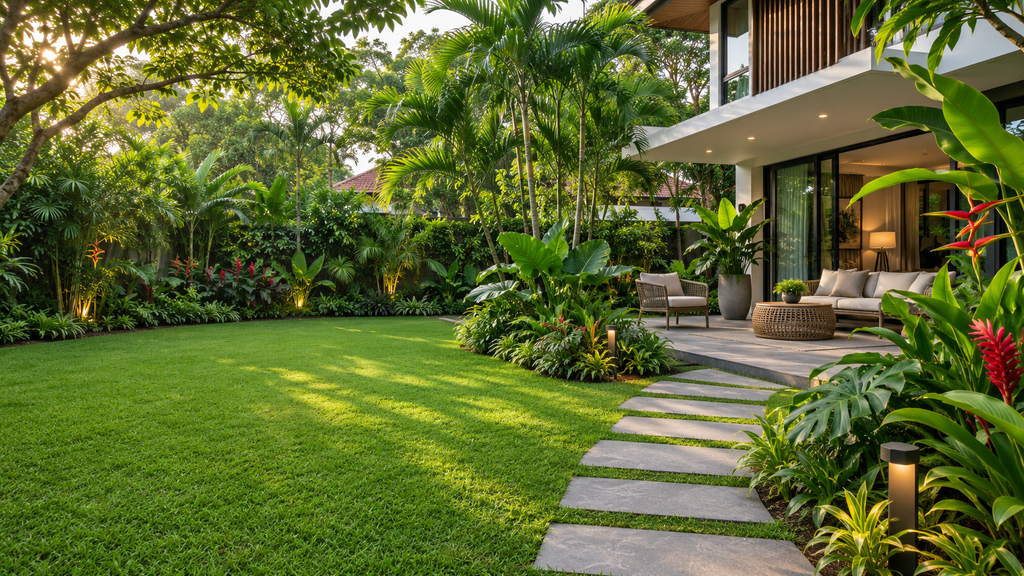
A well-planned garden can make a home feel more welcoming, comfortable and connected to the outdoors. Whether you have a landed property, a terrace house, a condominium balcony or a compact patio, the right landscape design can help you make better use of your outdoor space.
Professional home landscaping services can bring together planting, layout, lighting and practical features to create a garden that suits your property and lifestyle. From a simple refresh to a complete outdoor makeover, a thoughtful plan can help turn an unused area into a pleasant place to relax, entertain or spend time with family.
Our residential landscaping services in Singapore are designed around the needs of homeowners and the conditions of each site. We consider the available space, sunlight, drainage, existing structures and the amount of garden maintenance you prefer. The result is a landscape plan that aims to look attractive while remaining practical for everyday use.
Home Landscaping Services for Different Types of Properties
Every home has different outdoor needs. A large landed garden may have room for several zones, while a condominium balcony may need careful use of vertical and floor space. Good residential landscaping starts by understanding the property before choosing plants or features.
For landed homes, landscaping can help organise the garden into useful areas. A front garden may create an inviting entrance, while a side passage can be made greener and more pleasant to walk through. A backyard might include a lawn, planting beds, a dining area or a shaded corner for relaxation.
For terrace houses, the design may need to work within a narrower footprint. Planting along boundaries, compact seating and carefully selected trees or shrubs can add greenery without making the space feel crowded. If privacy is important, suitable screening plants or structures can help define the garden while preserving a sense of openness.
For condominium residents, balconies and patios can become small garden spaces with the right choice of containers, lightweight features and plants. A well-planned balcony garden can add colour and texture without obstructing access or taking up more room than necessary.
Whether you have a large garden or a small outdoor area, home garden landscaping services can help make the space more functional and visually cohesive.
What Residential Landscaping Services Can Include
A residential landscape project can involve several services, depending on the condition and size of the property. The scope should reflect your priorities, budget and willingness to maintain the garden.
Landscape design and planning
A landscape plan helps establish how the outdoor space will work. It can identify areas for planting, seating, circulation, lawns and other features. Planning also helps ensure that new elements fit around existing pathways, boundaries, drainage points and building structures.
The design process may consider:
- How you want to use the garden
- The amount of direct sun and shade
- The views from inside the home
- Privacy between neighbouring properties
- Access for maintenance
- The preferred style, colours and materials
- The amount of upkeep you are comfortable with
Plant selection and planting
Plant choice affects the appearance and maintenance needs of a garden. Plants should be selected with the site conditions in mind, including exposure to sunlight, wind and rain, as well as the available soil or planting space.
A planting plan may combine trees, shrubs, ground cover, flowering plants and potted greenery. Using a considered mix of height, foliage and colour can create depth and interest throughout the garden. For smaller spaces, vertical planting or layered containers may help introduce greenery without occupying too much floor area.
Lawn and ground cover
A lawn can create an open, usable area for play, relaxation or entertaining. Ground cover may be more suitable where a lawn would be difficult to maintain or where the space receives limited sunlight. A landscaping professional can help you consider the practical differences between these options based on the garden’s layout and use.
Garden paths and borders
Paths can make it easier to move around the garden and help protect planted areas from foot traffic. Borders can define planting beds and create a more organised appearance. Materials and layouts should suit the home and allow for practical access, including access for cleaning and future garden work.
Outdoor seating and garden features
A garden can be more enjoyable when it includes a place to sit. Depending on the space, this could be a small bench, a dining area, a deck or a simple paved corner. Other features may include planters, screens, trellises or decorative stonework. These should be selected to complement the planting and leave enough room to move around comfortably.
Garden lighting
Outdoor lighting can help make garden paths, entrances and seating areas easier to use after dark. It can also highlight selected plants or architectural features. Lighting should be planned with the layout and intended use of the space in mind.
Garden maintenance
Some homeowners want a garden that needs little routine attention. Others enjoy pruning, planting and caring for greenery. Residential landscaping can take your preferred level of maintenance into account, with suitable plant choices, accessible layouts and clear care requirements.
A Garden Designed for Singapore’s Conditions
Singapore’s warm, humid climate and regular rainfall influence how a home garden should be planned. The same plants and materials will not work equally well in every location. A balcony exposed to strong afternoon sun has different conditions from a shaded courtyard or a sheltered entrance.
Before recommending plants or features, it helps to review the site’s light, exposure and drainage. This can reduce the chance of choosing plants that struggle in the available conditions. It also helps identify areas where rainwater may collect or where planting space may need improvement.
A suitable garden layout can make use of different conditions across the property. Sun-loving plants may be placed in brighter areas, while more shade-tolerant choices can be used in sheltered locations. For container gardens, pot size and placement can affect how easily plants are maintained and watered.
Plant selection should also consider growth habits. Some trees and shrubs need room to spread, while compact plants may be easier to manage in small gardens. A landscaping plan should consider how the garden may develop over time, rather than only how it will look immediately after installation.
Home Garden Landscaping for Small Spaces
A small outdoor area can still feel distinctive and inviting. The key is to make deliberate choices about scale and layout. Oversized furniture, too many containers or plants with vigorous growth can make a compact garden difficult to use.
For balconies and small patios, vertical planting can add greenery while keeping more floor space open. A few well-chosen planters may create a stronger visual effect than many unrelated pots. Built-in or wall-mounted features can also help make use of underused surfaces, where the property allows for safe installation.
In a narrow garden, planting along the edges can leave a clear route through the centre. A consistent palette of materials and plant forms can help the space feel calm and connected. Mirrors and reflective surfaces may be considered carefully where suitable, while lighting can create a welcoming atmosphere in the evening.
Small-space landscaping should also account for maintenance access. Plants need room to be watered, trimmed and replaced when necessary. A garden that looks attractive but is difficult to reach can become inconvenient over time.
Residential Landscaping for Privacy and Comfort
Outdoor areas are more enjoyable when homeowners feel comfortable using them. Landscaping can help create a greater sense of privacy through planting, screens or the arrangement of seating. The right approach depends on the property, the amount of space available and any building or estate requirements.
Plants can soften boundary lines and add a natural layer between seating areas and neighbouring views. However, plant height, spread and maintenance should be considered before installation. A screen or trellis may suit some locations better, while a combination of planting and structure may work in others.
Comfort also depends on shade, airflow and circulation. A seating area should be placed where it can be used comfortably, taking account of sunlight at different times of day and access to the house. Paths and planting beds should be arranged so that people can move around without stepping through planted areas.
Our Residential Landscaping Process
A clear process helps homeowners understand what to expect and make decisions at each stage.
1. Site discussion
The project begins with a discussion about your property, requirements and preferences. You can explain how you would like to use the garden, what you like or dislike about the current space, and how much maintenance you are prepared to handle.
2. Site assessment
The outdoor area is reviewed to understand its dimensions, existing features, light conditions, access and drainage. This information helps shape a design that is suitable for the actual site.
3. Landscape proposal
Based on the discussion and site assessment, a proposed layout and scope of work can be prepared. This may cover planting, hardscape elements, lighting, lawn areas and other features, depending on the project.
4. Material and plant selection
Plants and materials are selected to suit the design, site conditions and practical requirements. Homeowners can review the proposed choices and discuss suitable alternatives where needed.
5. Installation
Once the scope and selections are confirmed, the landscaping work can proceed. This may include site preparation, planting, installation of agreed features and final clean-up.
6. Care guidance
After installation, homeowners should know how to care for the garden. This may include watering guidance, pruning expectations and information about how plants may change as they grow. For ongoing support, maintenance visits can be discussed as part of the project.
How to Choose Home Landscaping Services in Singapore
Choosing a landscaping provider is easier when you understand what the project involves. Start by describing how you want to use the space, then ask how the proposed design will support that purpose.
Consider asking:
- What is included in the proposed landscaping work?
- Which plants are suitable for the light and exposure at my property?
- How much routine maintenance will the garden need?
- How will the layout allow access for watering and pruning?
- Are existing drainage, pathways or structures included in the site review?
- What materials and installation work are part of the quotation?
- What care will be needed after the garden is completed?
A clear proposal should explain the main work items and help you understand the choices being made. It should also take account of your property’s specific conditions, instead of relying on a standard design that may not suit the space.
Homeowners should also consider how the garden may look after plants mature. A young planting scheme can change significantly over time. Planning for growth can help maintain usable paths, preserve sightlines and reduce the need for frequent changes later.
Create an Outdoor Space That Suits Your Home
A successful garden does not have to be elaborate. It needs to suit the property and the people who use it. For one homeowner, that may mean an easy-care entrance garden. For another, it may be a green backyard with space to dine outdoors. A compact balcony could focus on potted plants and a comfortable chair.
Professional home landscaping services in Singapore can help you plan these details, select appropriate plants and coordinate the different elements of the outdoor space. A considered design can improve how the garden looks and how easily it fits into daily life.
If you are considering residential landscaping services, begin with the parts of your garden that matter most. Think about privacy, shade, colour, maintenance and how you want to spend time outdoors. With a clear plan, even a modest space can become a more useful and welcoming part of your home.
Frequently Asked Questions
What are home landscaping services?
Home landscaping services cover the planning and improvement of residential outdoor spaces. Depending on the project, this can include landscape design, planting, lawn work, paths, garden features, lighting and maintenance.
Do residential landscaping services suit small gardens?
Yes. Landscaping can be planned for balconies, patios, narrow side yards and compact gardens. The design should use the available space carefully and allow room for access and maintenance.
How do I choose plants for my home garden in Singapore?
Plant selection should take account of sunlight, shade, rain exposure, available soil or container space and the time you can spend on maintenance. A site assessment can help identify suitable options for different parts of the garden.
Can landscaping help create more privacy?
Planting, screens and layout changes may help make an outdoor area feel more private. The best approach depends on the property’s boundaries, available space and maintenance requirements.
How much maintenance will a landscaped garden need?
The level of maintenance depends on the plants, materials and design. If you prefer a lower-maintenance garden, share this at the planning stage so the choices can reflect your needs.
When should I start planning a landscaping project?
You can start by listing your priorities, setting a budget range and noting how you currently use the outdoor space. A landscaping discussion can then help determine the suitable scope and next steps.