
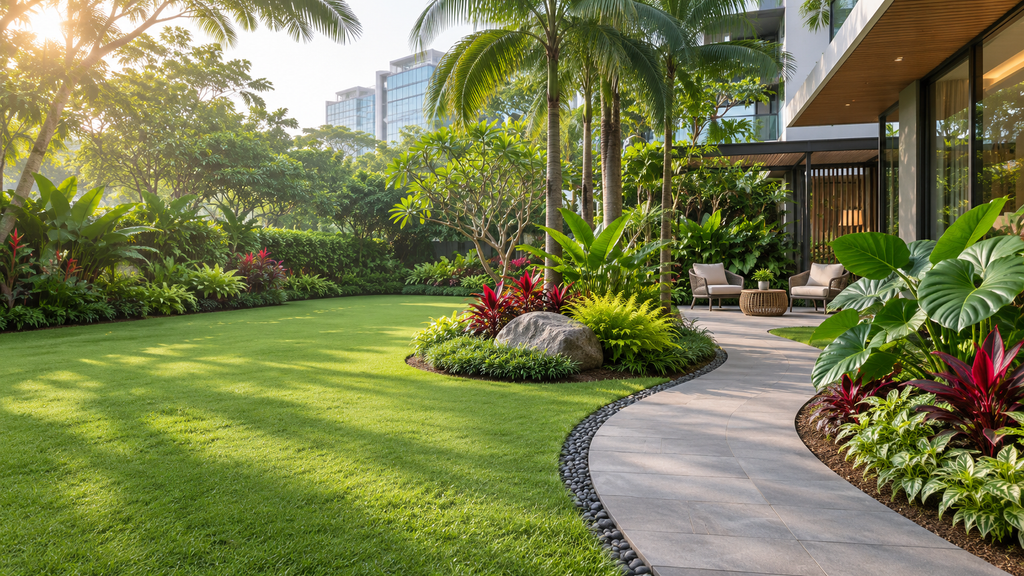
A well-designed landscape can make an outdoor space more useful, attractive and suited to the people who use it. Whether you are planning a home garden, an office courtyard, a commercial entrance or a shared outdoor area, the design should work with the site and your priorities.
Professional landscape design services in Singapore can help you plan the layout, choose suitable plants and materials, and coordinate the different elements of an outdoor environment. Landscape consultancy services provide guidance at different stages of a project, from early ideas and site assessment to design development and implementation planning.
Every site has its own conditions. Space, sunlight, drainage, access, existing structures and maintenance expectations can all influence the design. A consultation helps clarify these factors before decisions are made, making it easier to create a landscape that is practical as well as visually cohesive.
Landscape Design Services for Homes and Businesses
Landscape design can support a wide range of properties and outdoor spaces, including:
- Landed homes, patios and balconies
- Office buildings and business parks
- Retail and hospitality properties
- Hotels, restaurants and cafés
- Clinics and commercial facilities
- Rooftop terraces and courtyards
- Shared residential spaces
- Schools and community facilities
The right design depends on how the space will be used. A homeowner may want a private garden for relaxing or entertaining. A business may need a welcoming entrance that reflects its brand. A building manager may want a shared garden that remains accessible and manageable for residents.
Our landscape design services begin with your goals. We discuss how you want to use the space, what you would like to improve and how much ongoing care you can manage. We then consider the site conditions and develop a design direction that responds to the property.
What Landscape Design Services Can Include
The scope of a landscape design project can vary. Some clients need advice on improving an existing garden, while others are planning a complete redesign. Depending on the site and project, services may include:
Site review and assessment
A site review helps identify the opportunities and constraints that will shape the design. It may include reviewing the dimensions, existing plants, sunlight, shade, drainage, access and relationship to nearby buildings.
Understanding the site early can help avoid design decisions that are difficult to install or maintain. It also helps identify features that may be retained, improved or relocated.
Landscape concept and layout
A concept plan explores how the outdoor area could be organised. It may show planting zones, pathways, seating areas, lawn, privacy features and focal points.
The layout should provide a clear sense of movement through the space. Paths should connect important areas, while planting should complement the property rather than obstruct entrances, windows or access routes.
Planting design
Planting design considers the colours, textures, shapes and growth habits of different plants. It should also take account of local conditions, including sunlight, exposure, soil or container requirements and the amount of care the plants may need.
A planting plan may combine trees, shrubs, ground cover, flowering plants and potted greenery. In smaller areas, layered planting and well-chosen containers can introduce variety without crowding the space.
Materials and hardscape selection
Hardscape elements can include pathways, paving, edging, decks, retaining features and outdoor seating. These materials should suit the property, the intended use of the space and the surrounding architecture.
A design can also consider how hardscape and planting work together. For example, a clear path can create a route through a garden, while planting beds soften the edges and help define different zones.
Lighting and outdoor features
Landscape lighting can support the use of an outdoor area after dark and highlight selected features. Other design elements might include planters, screens, pergolas, water features or garden structures, where suitable.
The purpose of each feature should be clear. It should contribute to the way the space looks or functions and fit within the project’s budget and maintenance expectations.
Maintenance planning
A landscape should be designed with its future care in mind. Some clients prefer a garden they can maintain themselves, while others want professional support. Plant growth, access for pruning, watering needs and the condition of materials can all affect the maintenance plan.
Maintenance planning during design can help make the landscape easier to care for after installation.
Landscape Consultancy Services
Landscape consultancy services help property owners and project teams make informed decisions about outdoor spaces. A consultant can provide independent guidance, review proposals or advise on specific design questions.
Consultancy may be useful if you are at the early planning stage, need help understanding the potential of a site or want professional input before committing to a larger project. It can also support coordination between landscape plans, building requirements and the people responsible for implementation.
Depending on the project, landscape consultancy services may include:
- Initial discussion and needs assessment
- Site review and observations
- Advice on layout and use of space
- Planting and material recommendations
- Review of existing landscape conditions
- Feedback on a proposed landscape plan
- Maintenance and lifecycle considerations
- Guidance on project priorities and phasing
- Coordination advice for installation planning
A consultation can help clarify what is achievable, which decisions need to be made and what information may still be required. The scope can be tailored to the property and project stage.
Landscape Design for Singapore’s Climate
Singapore’s warm, humid conditions and regular rainfall affect plant selection, material choices and maintenance. Conditions can vary significantly between locations. A shaded courtyard, a sun-exposed rooftop and a sheltered entrance may each require a different design approach.
A landscape design should consider:
- Sunlight and shade across the day
- Rain and wind exposure
- Drainage and areas where water collects
- Soil or planting-container conditions
- Space available for plants to mature
- Access for watering and maintenance
- Nearby walls, buildings and trees
Plant choices should suit the conditions of each area. A plant that performs well in a bright, open location may not be suitable for a shaded corner. Similarly, plants that grow quickly may need more frequent pruning or more space as they mature.
The design should also account for how the landscape will change over time. Considering plant size, spread and maintenance needs can help preserve paths, views and access to building features.
Home Landscape Design
A home garden should reflect how the household uses the space. Some homeowners want a quiet place to relax, while others need room for children, pets, outdoor dining or entertaining. The design can balance these uses with planting, pathways, seating and practical storage.
For a small garden or balcony, it helps to use space deliberately. A simple layout with a few well-chosen elements may feel more open than a crowded arrangement. Planters, vertical greenery and compact furniture can be considered where appropriate.
For a larger landed property, the landscape may be organised into separate areas, such as a front garden, side passage, lawn, patio or private courtyard. A consistent planting and materials palette can help connect these spaces.
Landscape consultancy services can also help homeowners decide which improvements should be prioritised. This may be useful when working within a set budget or planning the project in stages.
Commercial and Office Landscape Design
Commercial landscapes need to support both the appearance of a property and its day-to-day operations. An office entrance should remain accessible and easy to navigate. A retail landscape should not obstruct storefronts or signs. A hotel courtyard may need a comfortable setting for guests.
Landscape design services for commercial properties may consider:
- Visitor and staff movement
- Building entrances and signage
- Outdoor seating and shared areas
- Brand image and architectural style
- Delivery and service access
- Maintenance schedules
- Installation timing and site coordination
A well-planned landscape can make an arrival area more welcoming, create a pleasant place for staff to take a break or improve the appearance of a customer-facing space. The design should suit the business and the people who use the property.
Designing Small and Unusual Spaces
Not every site has a large garden or straightforward layout. Narrow side yards, shaded courtyards, rooftop areas, sloping ground and irregular boundaries may need careful planning.
For narrow spaces, the design can create a clear route and use planting along the edges. For rooftop terraces, the plan should account for exposure, access and site requirements. Shaded areas may benefit from plants suited to lower light, while a compact courtyard may use vertical planting or containers to introduce greenery.
A site review can help identify the best way to use an unusual space. It can also help determine whether existing features should be retained, altered or removed.
Our Landscape Design and Consultation Process
A clear process helps you understand the project and make decisions at each stage.
1. Project discussion
We discuss your goals, the property and the changes you are considering. You can share what works well, what needs improvement and how you expect to use the space.
2. Site assessment
The site is reviewed to understand its dimensions, existing conditions, access, light, drainage and other relevant factors. The level of assessment depends on the project scope.
3. Design brief and priorities
Your needs and the site observations are brought together in a design brief. This helps set priorities, identify the intended style and establish practical requirements such as maintenance and budget.
4. Concept development
A landscape concept explores the layout, planting approach and key features. This gives you a clearer picture of how the space can be organised before detailed decisions are made.
5. Design refinement
The concept can be refined based on your feedback. Planting, materials and features are adjusted to better reflect your preferences and the practical needs of the site.
6. Implementation planning
Once the design direction is agreed, the next steps can be planned. This may include preparing more detailed information, coordinating materials and discussing installation timing.
7. Maintenance guidance
The completed design should include an understanding of the care it will need. Guidance can cover plant growth, access, watering and routine maintenance.
Why Plan Before Installing a Landscape?
Starting with a plan can help align the design with the site and your priorities. It gives you a chance to consider how different elements work together before installation begins.
A landscape plan can help you:
- Make better use of available space
- Choose plants suited to the site
- Coordinate planting and hardscape features
- Plan pathways and access
- Consider privacy, shade and views
- Understand maintenance needs
- Set a realistic project scope
- Avoid inconsistent design choices
Planning can also help with budgeting. By identifying priority areas and essential features, you can decide whether to complete the work at once or phase it over time.
Choosing Landscape Consultancy Services in Singapore
When comparing landscape design or consultancy providers, look for a process that includes your goals and the conditions at your site. A useful consultation should give you clear, practical guidance relevant to the property.
Questions to consider include:
- What is included in the consultation or design scope?
- Will the site be assessed in person?
- How will plant choices reflect the site conditions?
- How will the design address access and maintenance?
- Can the project be completed in stages?
- What information will be provided at each stage?
- What decisions will be needed from the property owner?
It is also helpful to discuss the project’s budget range and timeline early. This allows recommendations to reflect your priorities and helps set reasonable expectations for the design process.
Plan a Landscape That Works for Your Property
A successful landscape is shaped by the people who use it and the conditions of the site. It should look considered, feel comfortable and remain practical to maintain.
Professional landscape design services in Singapore can help you develop a plan for a home garden, commercial property or shared outdoor area. With tailored landscape consultancy services, you can assess the site, explore suitable options and make decisions with a clearer understanding of the design and its future care.
If you are planning a new landscape or improving an existing space, begin by identifying how you want to use it. Consider the areas that matter most, the style you prefer and the level of maintenance you can manage. A clear brief gives the design process a strong starting point and helps create an outdoor space that fits your property.
Frequently Asked Questions
What do landscape design services include?
Landscape design services may include a site assessment, layout planning, planting design, materials selection, lighting concepts and maintenance considerations. The exact scope depends on the property and project.
What are landscape consultancy services?
Landscape consultancy services provide professional advice about an outdoor space. This may include reviewing the site, discussing design options, assessing an existing plan or advising on plants, materials and maintenance.
Do I need a landscape design before starting installation?
A design is helpful when the project involves several elements or when you want the finished space to feel cohesive. For smaller improvements, a consultation may be enough to clarify priorities and guide the work.
Can landscape design services be provided for small gardens?
Yes. Landscape design can be tailored to balconies, patios, narrow side yards and compact courtyards. The design should make efficient use of space while leaving room for access and care.
Can a landscape project be completed in stages?
Many projects can be planned in phases. A concept plan can identify the overall direction, while the installation is divided according to priorities, budget and timing.
What should I prepare before a landscape consultation?
It is helpful to prepare photographs, rough measurements, inspiration images and a list of your priorities. You can also note how you use the space and how much maintenance you are comfortable handling.